


Room Acoustics
- Spaces whose function is for listening (Critical listening volumes)
Concert halls, theater halls, opera halls, multi-purpose halls, conference halls, cinemas, auditoriums, cinemas, sound recording studios, dubbing studios, TV studios, classrooms, meeting rooms, religious places
- Spaces whose function is not intended for listening (Service-purpose volumes)
Residences, hotels, hospitals, airports, stadiums & sports halls, banks, restaurants & cafeterias, offices, call centers, waiting rooms, foyers, lobby & atriums, entertainment & shopping centers, shops, libraries, museums, industrial buildings
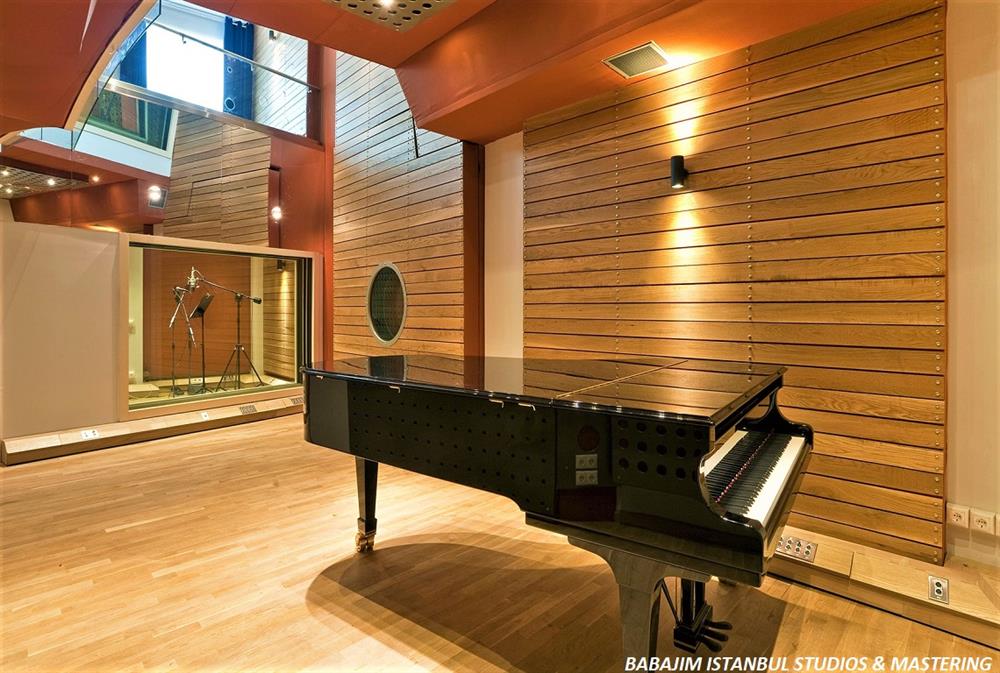
For example, in a concert hall, the main purpose is to ensure that both the listeners and the performers hear the sound at optimum quality and level. For this, the sound is “blended” with the technical characteristics of the acoustic materials used in the interior. In other words, these materials are expected to "improve and contribute" to the perceived final sound quality and level. However, the main purpose of a sound recording studio is to record the recorded sound "as it is and as it is heard". In other words, what is expected from acoustic materials is to keep the sound as "neutral" as possible. Or, the main goal in a call center is to reduce the total noise level in the environment and to ensure speech privacy.
Therefore, it is most important to provide the correct acoustic balance between the function of the space and the user while designing the architectural and acoustic design. If the target is set incorrectly, the balance will be disturbed, and the acoustic environment will turn into a faulty and uncomfortable environment for users.
As MEA Acoustic Consulting, we share with our customers all our knowledge and experience that we have gained from our domestic and international projects on noise and vibration control in the context of room acoustics consultancy. We use the following methods to ensure optimum acoustic comfort:
- Determination of acoustic criteria and optimum comfort conditions specific to the volume
- Creating acoustic models of volumes with 3D acoustic simulation programs
- Planning of material dimensions and their correct placement in the volume
- Creating acoustic calculation and simulation reports
- Development of viable and cost-effective system detail solutions
- Presentation of acoustic design reports
- Checking the shop drawings
- Conducting field application controls
- Measurement of acoustic materials and acoustic systems in accredited laboratories
- Making and reporting acoustic field measurements with professional equipment